East Farm Habitat Bank
Codford · Wylye Valley · Wiltshire
Registered biodiversity gain site
Biodiversity Net Gain · Off-site units
Nature restoration on four fields in the Wylye Valley.
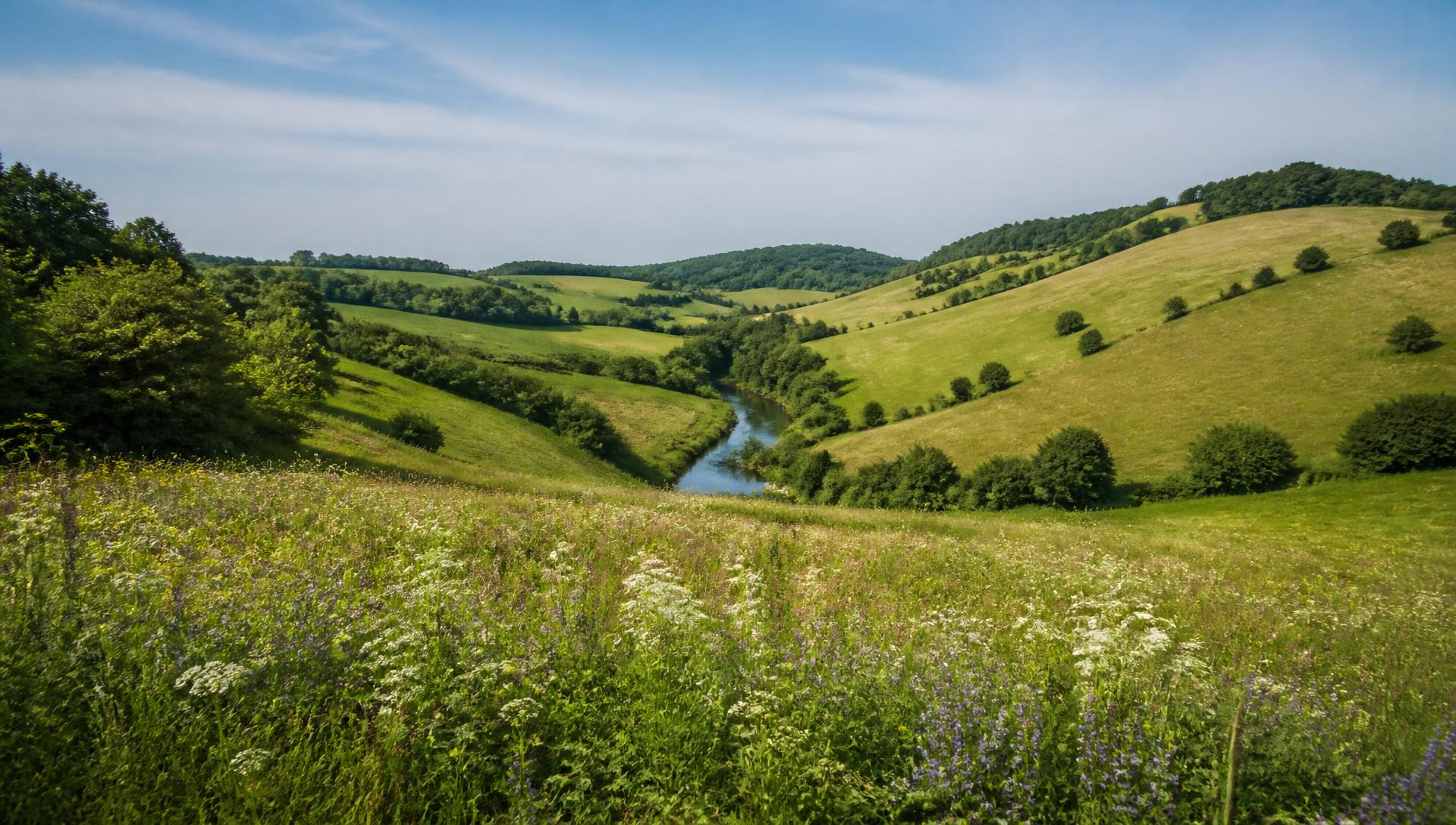
East Farm Habitat Bank is converting arable farmland at Codford into wildflower meadow, scrub, wood-pasture parkland and restored chalk stream — generating a secured, long-term supply of biodiversity units for development in Wiltshire and the surrounding region.
- Units available
- c. 394
- Secured for
- 30 years
Location
Codford, Wiltshire
Fields under restoration
Four
Register
Natural England
Tenure
Stratton family
A registered off-site source of biodiversity units, close to where the demand is.
Under UK law, most new development must leave nature measurably better off than before it was built. Where a scheme cannot deliver that gain within its own red line, it may purchase units from a registered off-site provider.
East Farm is one of those providers. The land is being taken out of arable production and restored to a mosaic of chalk-landscape habitats, quantified under the statutory biodiversity metric and secured by legal agreement.
For a buyer, that means a single landowner, a single contiguous holding, and a straightforward route from enquiry to allocated units.
Four habitat types, one holding.
Each field is being restored to a distinct habitat. Together they form a connected mosaic across the valley floor and its slopes, producing a quantified and registerable supply of units.
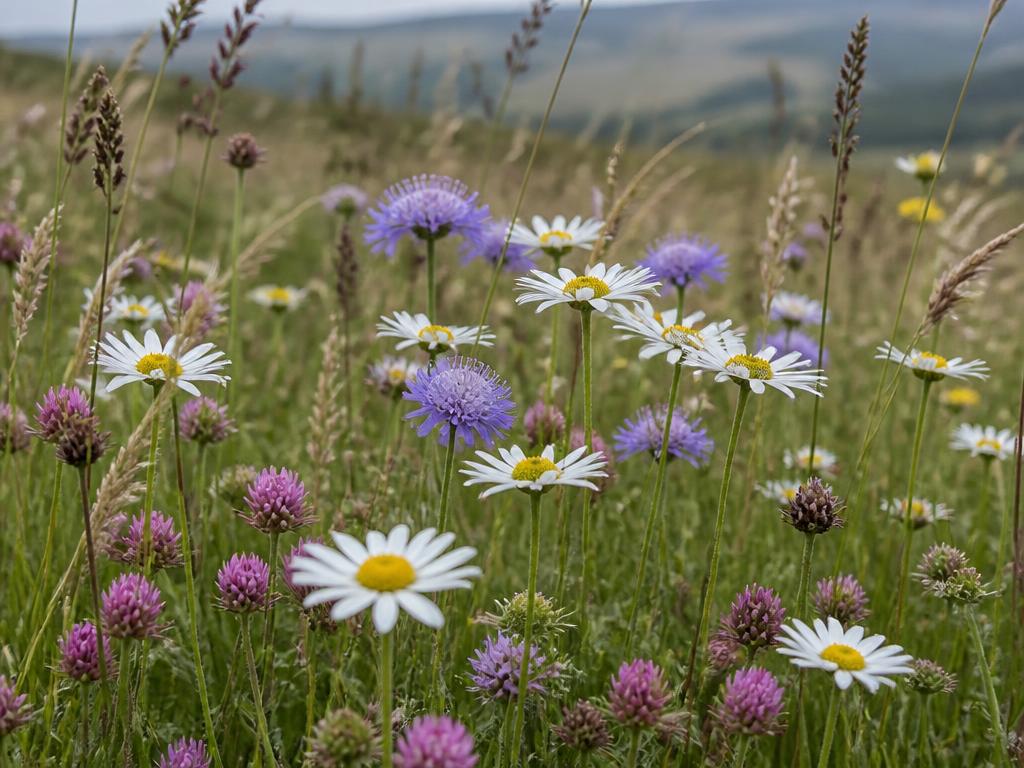
Wildflower meadow
Fig. 2Species-rich chalk grassland sown with native wildflowers and fine grasses, cut and grazed on a botanical management regime.
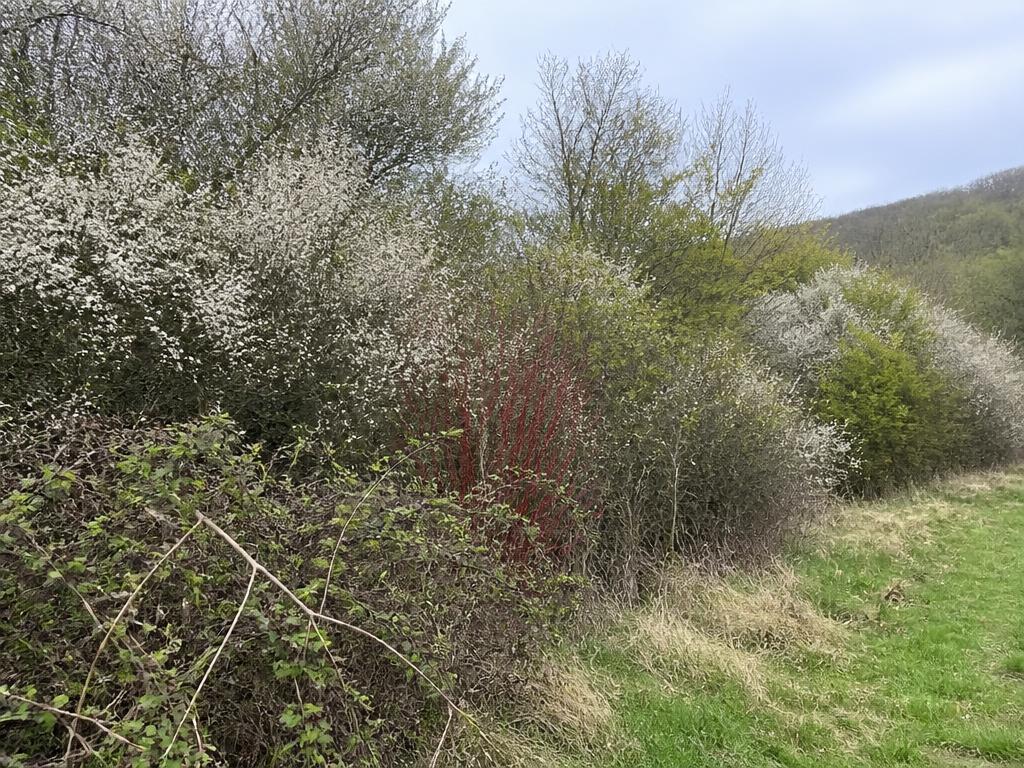
Scrub and hedgerow
Fig. 3Native shrub margins of hawthorn, blackthorn and dogwood, adding structural habitat for birds, invertebrates and small mammals.
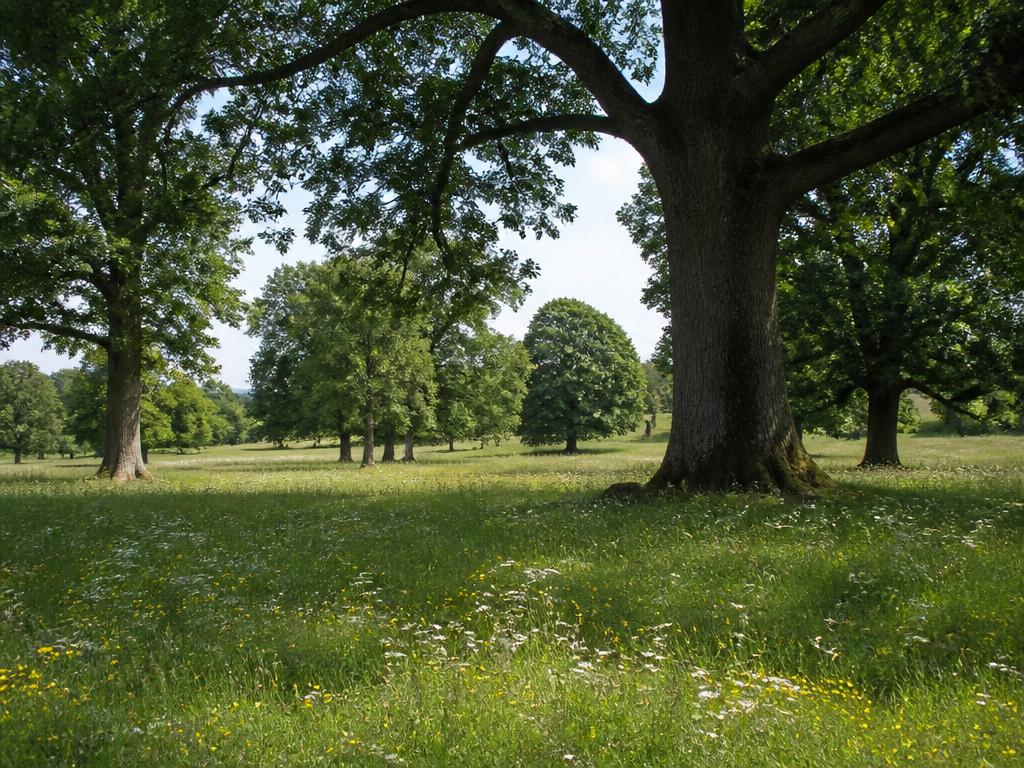
Wood-pasture parkland
Fig. 4A rare habitat type: scattered broadleaf trees in open grassland, delivering woodland-edge continuity and future veteran trees.
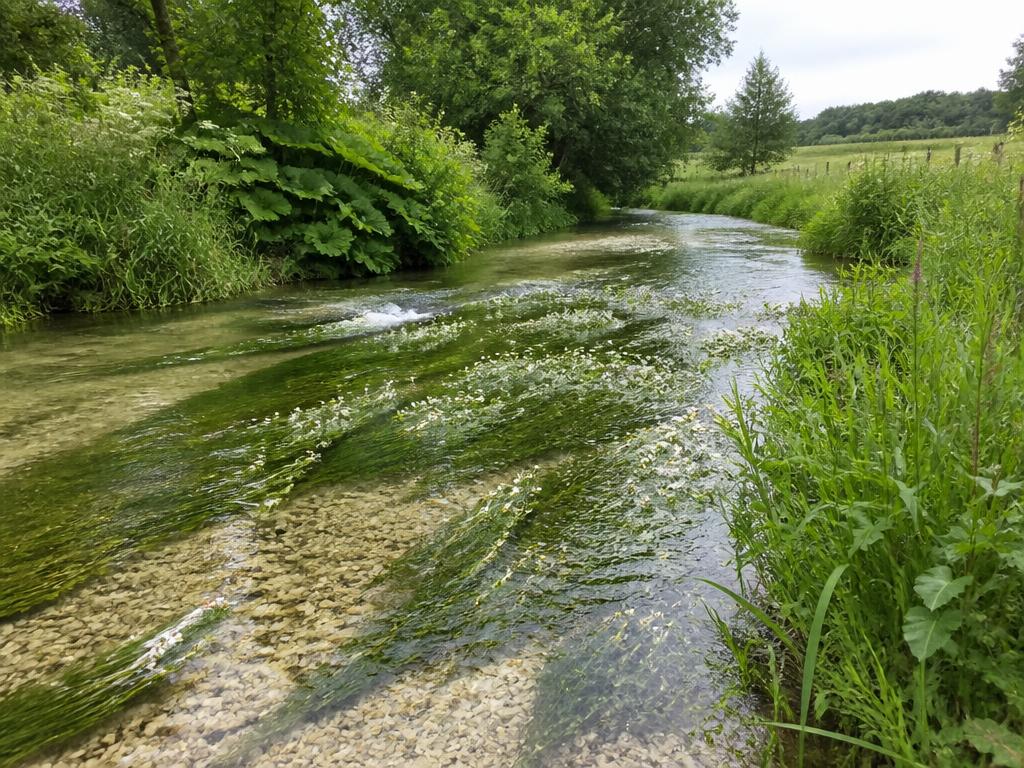
Restored chalk stream
Fig. 5Clear, shallow watercourse over clean chalk gravel, restored for aquatic plants, invertebrates and characteristic chalk-stream fauna.
Legally secured, registered, and held by one family.
- A legally binding habitat management and monitoring agreement, running for a minimum of 30 years.
- Registered with Natural England on the national biodiversity gain sites register.
- Owned and managed by the Stratton family, who farm at Codford in the Wylye Valley.
- A single contiguous landholding — simpler legal due diligence and a cleaner unit transfer.
Approximately 394 units, sold in tranches.
Units may be allocated in tranches to match the phasing of a development, subject to registration and the terms of the habitat management agreement. Detailed habitat schedules, metric outputs and pricing are available on request.
Housing schemes
Local plan allocations and windfall sites across Wiltshire
Road, rail and grid
Linear infrastructure requiring off-site compensation
Solar and energy
Ground-mounted generation and storage projects
Local authorities
Planning obligations and council-led development
Talk to us about units for your scheme.
If you are a developer, ecologist or planning officer looking for a credible source of biodiversity units in Wiltshire, please get in touch. We can supply habitat schedules, metric outputs, unit pricing and registration documentation.
enquiries@eastfarmhabitatbank.co.uk
Telephone
+44 (0)1380 000 000
Please include
Development location, units required and preferred timescale.